
The Blueprint of Growth
As I attend to my garden and vegetable patches in preparation for the new season, I find myself wondering about the little seeds that will eventually become healthy plants, producing fruit and beautiful ornamental flowers.
In those little seeds lies the blueprint of the entire plant, so in some way they already “know” what they are going to become. A tomato seed does not need to question whether it should become a tomato plant, nor compare itself with the cucumber growing beside it. Given the right conditions, what already exists within the seed begins to unfold.
During winter, I reflected on the process of releasing what no longer serves, refining what to keep, and discerning what is worth bringing forward. That experience revealed many layers of self-discovery and opened new doors; some are exciting to cross, while others now feel unnecessary, almost as though an internal compass is quietly directing my next move.
Perhaps the biggest discovery of winter was precisely this internal compass, which doesn’t feel as though it belongs to me intellectually or emotionally. It seems to come from somewhere deeper than those layers, from a place that I cannot necessarily explain but that somehow feels familiar.
This has made me wonder how often we lose sight of ourselves by pursuing a path that doesn’t really belong to us, perhaps because it is expected of us, because it seems logical, or simply because at some point we learned that it was where we were supposed to go.
To return to my garden, it would almost be as though a tomato seed decided that it needed to become a cucumber plant.
Perhaps growth is not always about becoming something new. Perhaps sometimes it is about creating the conditions that allow what is already there to unfold.
The Blueprint
Accessing the blueprint beneath those layers — or what some traditions might describe as our essence or purpose — is, I am beginning to realise, not necessarily a process that requires more knowledge.
Perhaps it requires experience.
Every situation we encounter is filtered through our sense of Self: through our past experiences, how we interpreted them, how they made us feel, and what we subsequently learned about ourselves because of them. Over time, those interpretations contribute to the identity through which we understand our existence.
We might say: I am this kind of person. I can do this, but I cannot do that. This is easy for me. That has always been difficult.
Those definitions may have emerged from very real experiences, but I am increasingly curious about whether the experience itself needs to become the defining factor of our identity.
What if the experience was feedback rather than a definition?
The identity we construct can be useful. It helps us navigate the world and gives us a sense of continuity. But is it necessarily the same thing as our blueprint?
The Environment
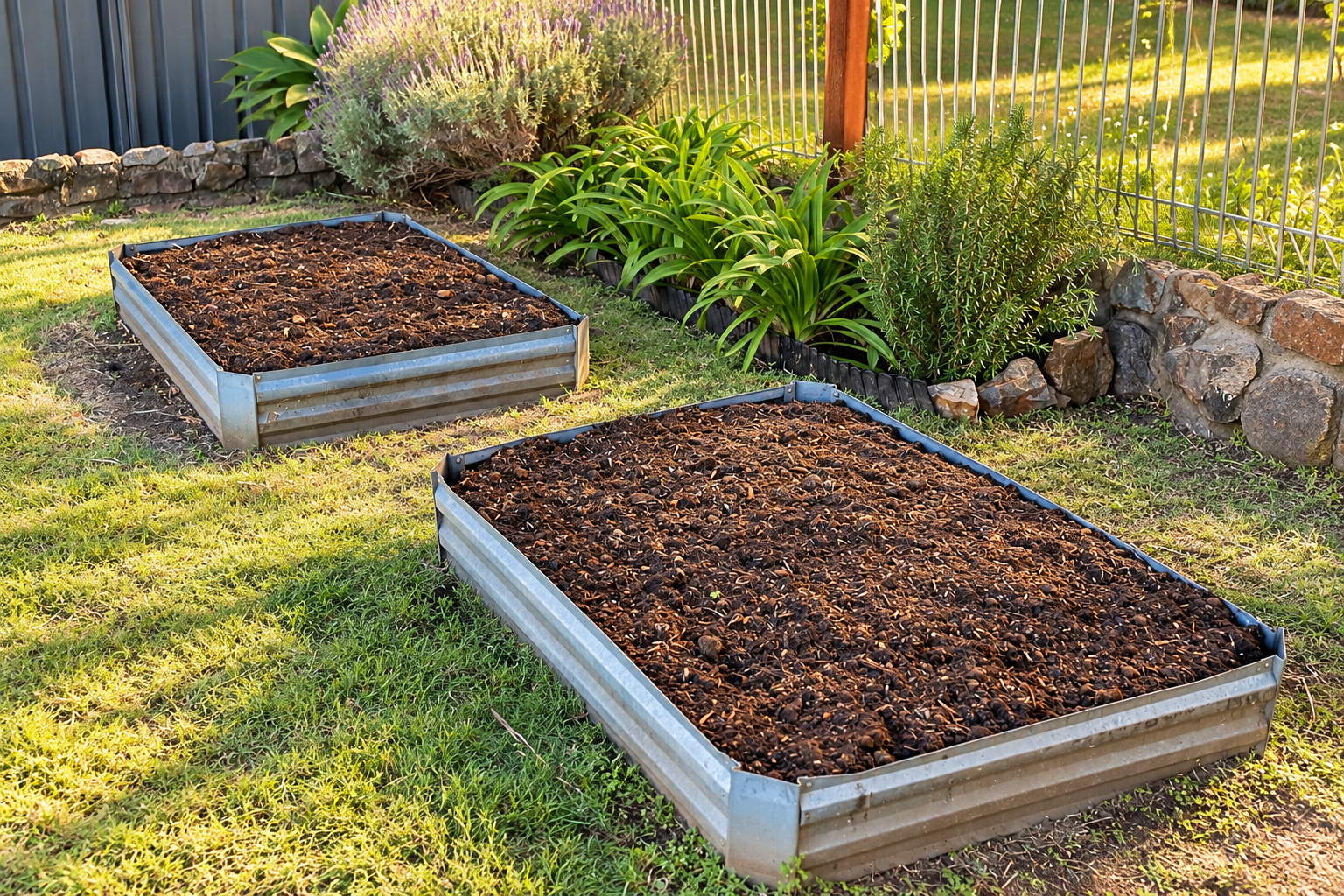
This question brings me back to the garden.
When a plant isn’t thriving, my first response isn’t to blame the plant. I look at its environment. Is there too much water, or not enough? Does the soil need adjusting? Is it receiving the right amount of sunlight? Does it have enough room? Is it simply growing in the wrong position for what that particular plant needs?
Rather than asking, What is wrong with the plant?, we become curious about the relationship between the plant and the conditions in which it is trying to grow.
I wonder how often we offer ourselves the same curiosity.
There are circumstances in life that we cannot immediately change, and there are times when adaptation is necessary. But there are also situations in which we continuously reshape ourselves to fit the environment without questioning whether that environment allows us to grow.
This might happen at work, within relationships or in the expectations we place upon ourselves. Sometimes we adapt. Sometimes we change the conditions. And sometimes we may need to recognise that a particular position no longer provides the environment in which our blueprint can unfold.
Gratitude & Commitment
There is another ingredient that I feel belongs to this process: gratitude.
Not gratitude as a requirement to pretend that every experience is pleasant, nor as a way of denying disappointment, frustration or difficulty, but as the willingness to remain receptive to what an experience might reveal.
If we approach our experiences only through their roadblocks, refusals and setbacks, it can become very easy to focus exclusively on what is missing. But perhaps the question is not simply whether an experience gave us what we wanted.
Perhaps it is also: What is this experience showing me?
We may still decide that circumstances need adjusting, that a boundary needs establishing, or even that it is time to move elsewhere. Gratitude does not require us to be grateful for everything that happens; perhaps it simply allows us to remain open enough to recognise what an experience might contain.
And from that gratitude, I feel another energy can begin to emerge: commitment.
Commitment feels necessary for growth because recognising the value of an experience is different from choosing to participate in what it is asking from us. We can recognise the opportunity and still decide not to engage with it.
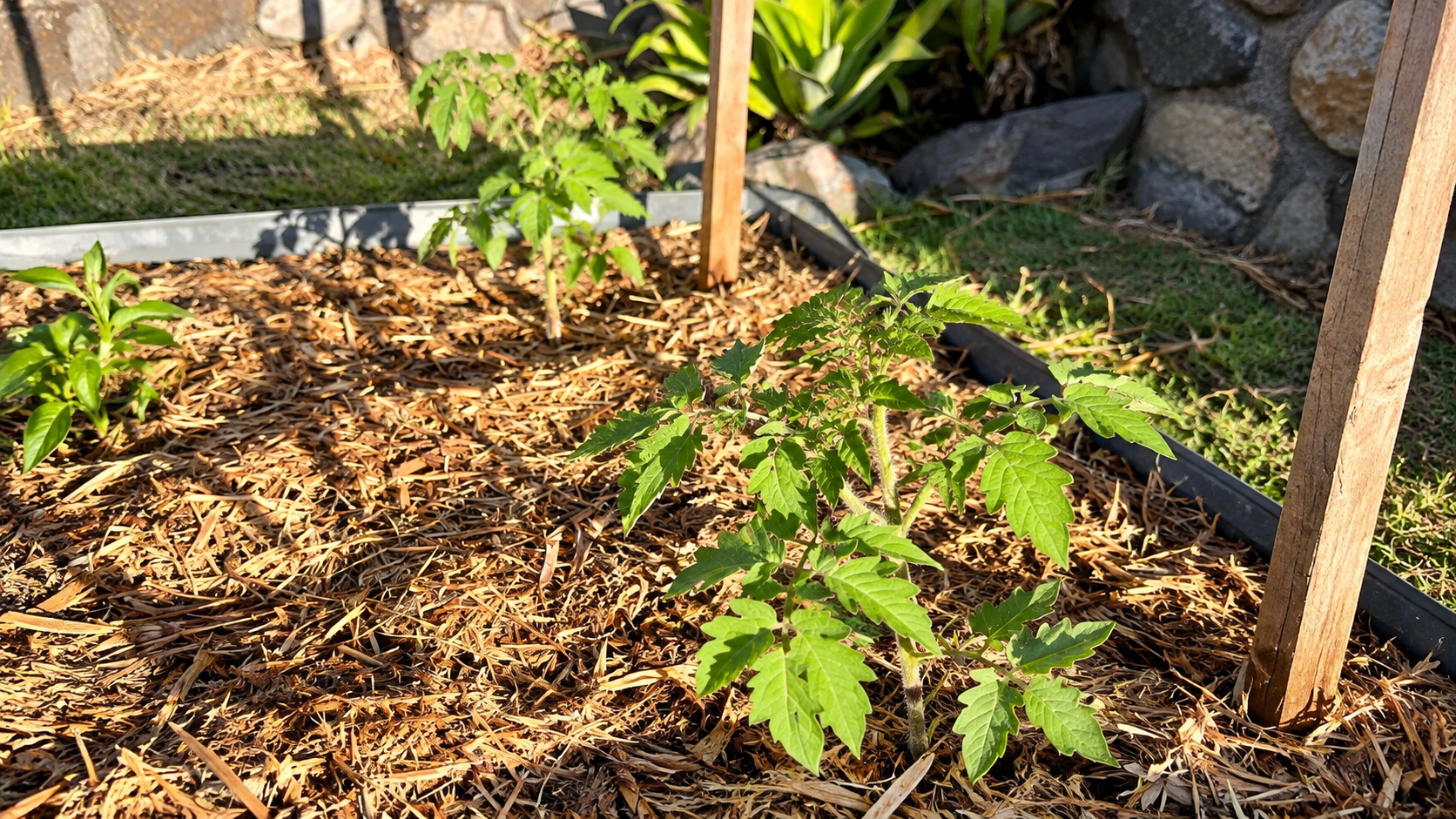
Like the seed, growth requires participation. The seed receives water, responds to light and draws nourishment from the soil as its blueprint progressively unfolds.
Perhaps commitment is what allows us to remain engaged with our own process of growth, even when we cannot yet see what the final expression will look like.
Spring
Winter invited me to release, refine and discern.
Spring seems to be asking a different question:
What am I willing to commit to growing?
Perhaps the answer does not need to be another project, another goal or another version of ourselves that we believe we should become.
If there is something that you want to commit to this spring, perhaps it might simply be to the unfolding of your own blueprint.
Imagine a little seed in the most fertile soil.
There is the perfect amount of water. The sunlight is soft yet invigorating. Nothing is asking the seed to become something it isn’t.
Its work is not to invent its future form, but to remain receptive to the conditions that allow what is already within it to emerge.
Perhaps we can offer ourselves the same opportunity: to remain open to experience; to become curious about the conditions in which we are trying to grow; to recognise when adaptation is necessary and when our positioning needs to change; to appreciate what is already present rather than measuring ourselves only against what is still missing.
And to commit — not to becoming someone else, but to participating fully in the unfolding of what is already there.
When the time is right, the harvest will be plentiful.

Continue Exploring Seasonal Wisdom
Explore previous Seasonal Wisdom reflections and follow the changing themes of the year.
Explore the Companions
Discover the crystals, Bach Flowers and books selected to accompany this Seasonal Wisdom reflection.